Hemp-derived cannabinoids like CBD, Delta-8 THC, and CBG are federally legal under the 2018 Farm Bill, provided they contain no more than 0.3% Delta-9 THC by dry weight, though state laws vary widely and constantly evolve. These compounds offer therapeutic benefits backed by growing research: CBD shows promise for anxiety reduction and inflammation management, Delta-8 provides milder psychoactive effects than traditional THC, and lesser-known cannabinoids like CBN and CBG are being studied for sleep support and neuroprotection. You can explore quality-tested options through Exhale Wellness hemp products and similar reputable sources.
The legal landscape remains complex. While federal law opened the door for hemp commerce eight years ago, individual states have enacted their own restrictions. Some ban specific cannabinoids like Delta-8 or Delta-10 entirely, while others impose age limits, product testing requirements, or retail licensing rules that differ dramatically from neighboring jurisdictions. This patchwork creates confusion for consumers trying to make informed, legal purchases.
Beyond legality, the real question for most people is whether these compounds actually work. Clinical studies on CBD have shown measurable effects on conditions like childhood epilepsy, leading to FDA approval of Epidiolex in 2018. Emerging research suggests broader applications for chronic pain, sleep disorders, and mental health support, though scientists caution that many claims still outpace the evidence. Anecdotal reports from users fill in gaps where formal research hasn’t caught up, but separating marketing hype from genuine therapeutic potential requires careful evaluation.
This article breaks down both dimensions: what the science says about benefits and what the law says about access. We’ll examine the evidence behind popular cannabinoids, decode the regulatory maze state by state, and provide practical guidance for choosing safe, compliant products in a market flooded with varying quality and questionable claims.
What Makes Hemp-Derived Cannabinoids Different
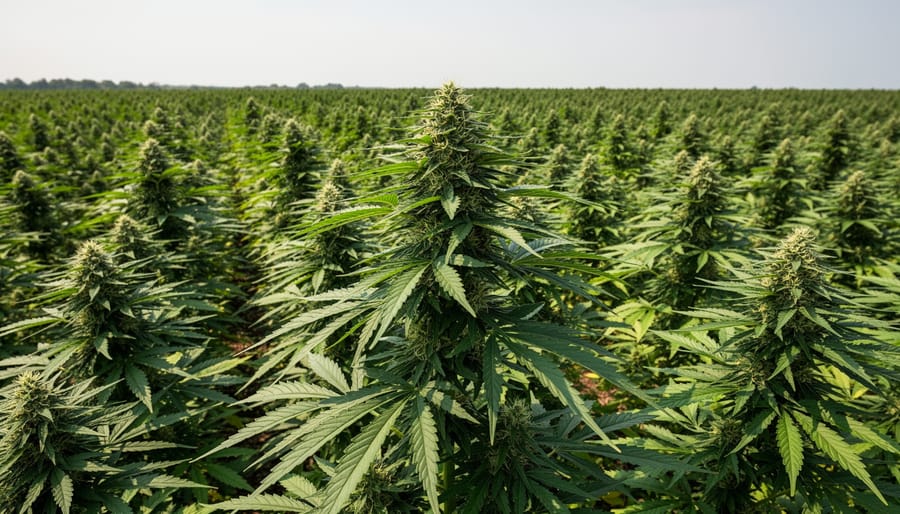
The difference between hemp and marijuana isn’t what most people think. Both are cannabis plants, genetically almost identical, but the law draws a bright line based on a single number: 0.3% delta-9 THC by dry weight. Anything below that threshold counts as hemp, making it federally legal in many jurisdictions. Cross that line, even by a fraction, and you’re dealing with marijuana, subject to entirely different regulations. This arbitrary cutoff, established decades ago without much scientific basis, now defines an entire industry and determines what you can legally buy at a gas station versus what requires a dispensary visit.
But THC content tells only part of the story. Hemp produces over 100 different cannabinoids, each with distinct properties and effects. While marijuana cultivation typically emphasizes high THC levels for psychoactive potency, hemp’s chemical diversity has become its strength. CBD dominates most hemp extracts, often comprising 10-20% of the plant’s cannabinoid content, but it’s hardly alone.
- CBD (Cannabidiol)
- The most abundant non-intoxicating cannabinoid in hemp, widely studied for its potential anti-inflammatory and anxiolytic properties without producing a high.
- CBG (Cannabigerol)
- Often called the “mother cannabinoid” because other cannabinoids derive from its acidic form, showing promise for inflammation and neuroprotection in early research.
- CBN (Cannabinol)
- A mildly psychoactive cannabinoid formed when THC degrades over time, commonly marketed for sleep support though scientific evidence remains limited.
- Delta-8 THC
- A psychoactive cannabinoid that occurs naturally in trace amounts but is usually synthesized from CBD, existing in legal gray areas despite hemp origins.
- THCA (Tetrahydrocannabinolic Acid)
- The non-intoxicating precursor to THC found in raw cannabis that converts to psychoactive THC when heated, raising complex legal questions about measurement and classification.
The relationship between THCA vs THC particularly complicates the hemp definition, since THCA doesn’t count toward the 0.3% threshold in some jurisdictions even though it becomes THC with heat.
This cannabinoid diversity means hemp-derived products can target specific needs without the intoxication marijuana products deliver. A CBG-dominant extract works differently than a CBD isolate, and a full-spectrum product containing trace amounts of multiple cannabinoids may produce different effects than any single compound alone, thanks to what researchers call the entourage effect.
The legal distinction also shapes how these products reach consumers. Hemp-derived cannabinoids can cross state lines and sell through conventional retail channels, while marijuana products face strict state-by-state limitations. Yet federal legality doesn’t guarantee uniformity. Some manufacturers convert CBD into semi-synthetic cannabinoids like Delta-8 through chemical processes, creating compounds that technically derive from legal hemp but behave more like marijuana’s psychoactive cousins.
The Real Benefits: What Science Actually Says
Pain and Inflammation Management
The endocannabinoid system functions as the body’s internal regulatory network, maintaining balance across immune response, pain perception, and inflammatory pathways. Hemp-derived cannabinoids like CBD and CBG interact with CB1 and CB2 receptors throughout this system, modulating how your body processes pain signals and inflammatory responses rather than simply masking symptoms.
For chronic conditions like arthritis, fibromyalgia, and lower back pain, many people report meaningful relief through consistent cannabinoid use. CBD appears to reduce inflammation at its source by influencing cytokine production, the proteins that trigger inflammatory cascades. CBG shows particular promise for localized inflammation, working synergistically with CBD when used in full-spectrum formulations.
Application method matters significantly. Cannabis topicals deliver cannabinoids directly to affected joints and muscles, bypassing digestive metabolism for targeted relief. Oral tinctures provide systemic support, better suited for widespread inflammation or nerve-related pain conditions.
Real-world effectiveness varies considerably between individuals. Some people achieve substantial pain reduction at 25mg CBD daily, while others require 100mg or more. Starting low and adjusting gradually over several weeks helps identify your therapeutic threshold without wasting product or money on ineffective doses.
Anxiety, Sleep, and Mental Wellness

CBD’s reputation as a natural anxiolytic isn’t just marketing hype, emerging clinical evidence and patient experiences suggest it may genuinely help regulate stress responses. Unlike pharmaceutical options, CBD doesn’t produce intoxication or carry significant dependency risk, making it an attractive first-line option for people managing generalized anxiety or social anxiety disorder. Users frequently report feeling calmer without the mental fog that accompanies benzodiazepines, though effects vary considerably based on dosage and individual brain chemistry.
Sleep benefits appear most pronounced when cannabinoids address the root cause of insomnia rather than acting as simple sedatives. CBN has earned particular attention for its potential sleep-promoting properties, while CBD may help by reducing the racing thoughts and physical tension that prevent sleep onset. Many people discover that a consistent evening routine with hemp-derived cannabinoids improves both sleep quality and next-day alertness compared to traditional sleep aids.
The mental wellness conversation extends beyond symptom suppression. Regular CBD users often describe improved emotional regulation and resilience to daily stressors, suggesting cannabinoids might support overall psychological balance rather than merely masking discomfort. One patient with chronic anxiety put it simply: “I finally feel like I’m responding to life instead of constantly reacting to it.” That shift, subtle but meaningful, captures why so many people incorporate these compounds into their self-care practices despite the scientific research still catching up to anecdotal evidence.
What Hemp Cannabinoids Can’t Do
Let’s cut through the hype: hemp-derived cannabinoids won’t cure cancer, reverse Alzheimer’s, or replace actual medical treatment for serious conditions. Despite what wellness influencers and opportunistic brands suggest, no peer-reviewed evidence supports these extraordinary claims. They’re supplements, not pharmaceuticals.
CBD isn’t a magic bullet for every health complaint. It won’t significantly help with weight loss, boost your immune system, or treat infections. The compounds also can’t bypass fundamental health issues, if you have severe depression, chronic disease, or acute medical problems, cannabinoids might complement professional care but never substitute for it.
Perhaps most importantly, hemp cannabinoids aren’t risk-free. They interact with medications, particularly blood thinners and seizure drugs. Some people experience side effects like drowsiness, digestive issues, or changes in appetite. Pregnant and breastfeeding individuals should avoid them entirely, regardless of marketing claims about natural safety.
The wellness industry profits from ambiguity, but your health deserves honesty. Hemp-derived cannabinoids have legitimate, research-backed applications for specific conditions. Treating them as cure-alls dilutes their actual value and puts consumers at risk when they delay seeking proper medical attention for serious health concerns.
The Legal Landscape in 2026

Federal Regulations and the Hemp Framework
The federal legal framework for hemp-derived cannabinoids in the United States rests on a single, pivotal distinction: THC concentration. Under the 2018 Farm Bill, cannabis plants containing less than 0.3% delta-9 THC on a dry-weight basis qualify as hemp, removing them from the Controlled Substances Act’s definition of marijuana. This seemingly minor threshold created an entire industry overnight, legally separating hemp from its psychoactive cousin.
Here’s what that means practically. Hemp and products derived from it can move across state lines without violating federal drug laws, provided they meet the THC limit. Farmers can cultivate hemp with proper licensing through their state’s USDA-approved program. Processors can extract CBD, CBG, and other cannabinoids without federal criminal liability. The key word is “derived”, the cannabinoids must come from legally grown hemp, not synthesized in ways that circumvent the plant-based definition.
The catch? Federal legality doesn’t equal federal regulation of consumer products. The FDA has explicitly stated that adding CBD to food or marketing it as a dietary supplement remains illegal, even though the hemp itself is legal. This creates a confusing landscape where the raw material is permitted but many finished products exist in regulatory limbo. The DEA, meanwhile, has clarified that synthetically derived THC isomers don’t automatically receive hemp’s legal protections, complicating the status of compounds like delta-8 THC.
Interstate commerce works, until it doesn’t. While federally legal hemp products can technically cross state lines, individual states retain the authority to restrict or ban them entirely within their borders.
State-by-State Variations
While hemp-derived cannabinoids enjoy federal legal status in the United States, state laws tell a different story. Some states embrace the federal framework and allow these products with minimal additional restrictions. Others have enacted their own regulations that ban specific cannabinoids, impose stricter THC limits, or require additional licensing for retailers, even when those products remain federally compliant.
The complexity intensifies with semi-synthetic compounds like Delta-8 THC. Several states have explicitly prohibited Delta-8 and similar derivatives, classifying them alongside traditional marijuana despite their hemp origins. A handful of states require third-party lab testing or specific labeling beyond federal standards, while others have no oversight whatsoever.
This patchwork creates real consequences for consumers. What’s legal to purchase in one state might land you in trouble across state lines, and online retailers can’t always guarantee their products comply with your local jurisdiction. The burden falls squarely on you to verify whether your state permits the specific cannabinoid you’re considering, not just whether hemp is legal, but whether that particular compound is allowed. Laws shift frequently as legislators grapple with emerging products, so yesterday’s legal purchase could become tomorrow’s prohibited substance without warning.
The Delta-8 and Synthetic Cannabinoid Question
Delta-8 THC sits in one of the murkiest corners of cannabis law. Created by chemically converting CBD from hemp, it produces a milder high than traditional Delta-9 THC, and that’s precisely the problem. While hemp itself is federally legal, the process of synthesizing Delta-8 raises questions about whether these products truly qualify under hemp protections. Some jurisdictions classify them as controlled substances because they’re manufactured rather than naturally extracted. States have taken wildly different approaches: some embrace Delta-8 as legal hemp, others ban it outright, and many simply haven’t clarified their stance. The result is a patchwork where a product legal in one state becomes contraband across the border. Retailers operate in gray zones, and consumers face real legal risk depending on where they live or travel.
Navigating Product Quality and Safety
Reading Labels and Understanding Claims
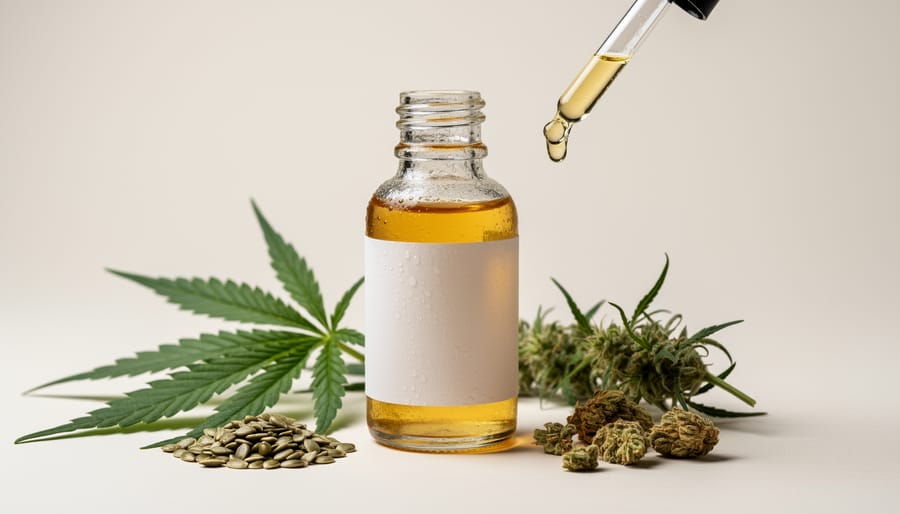
Product labels can feel like hieroglyphics when you first encounter them. The key is knowing which details matter and which are marketing fluff designed to catch your eye.
Start with cannabinoid content: legitimate products list specific milligrams per serving and total content per container, not vague percentages or “high potency” claims. A quality label shows CBD (or CBG, CBN, etc.) as an absolute number, say, “25mg CBD per gummy, 750mg total”, so you can calculate your actual dose. Watch for the THC declaration too; federally compliant hemp products must contain less than 0.3% THC by dry weight, and responsible brands state this clearly.
Third-party lab testing is non-negotiable. Look for a batch or lot number on the package that corresponds to a certificate of analysis (COA), which should be accessible via QR code or the company’s website. Without this verification, you’re trusting marketing claims over chemistry.
Ingredient lists reveal manufacturing integrity. Hemp extract should appear near the top, and you should recognize most other components. Fillers, artificial colors, or unpronounceable chemical names warrant skepticism.
Be wary of health claims that sound too good to be true. Regulatory frameworks, including Health Canada’s packaging and labelling guidance for cannabis products, restrict what manufacturers can legally promise. Words like “cures,” “treats,” or disease-specific claims cross ethical and legal lines. Legitimate brands stick to general wellness language or say nothing beyond cannabinoid content, because they know the science speaks for itself when properly dosed and tested.
Finding Reputable Brands
In an unregulated market flooded with questionable products, the difference between a trustworthy brand and an opportunistic cash grab often comes down to transparency. Reputable manufacturers treat third-party lab testing as non-negotiable, not optional. They don’t just conduct tests, they publish complete certificates of analysis prominently on their websites, making batch-specific results accessible without requiring you to email customer service or dig through buried pages.
Transparency extends beyond lab reports. Legitimate companies openly share their sourcing practices: where their hemp is grown, whether they use organic methods, and how they extract cannabinoids. They’ll tell you if they’re using CO2 extraction versus cheaper solvent methods. They provide detailed information about their manufacturing facilities and quality control processes. If a brand’s “About Us” page reads like marketing copy without substance, that’s your first red flag.
Ethical sourcing matters more than slick branding. Look for companies that work directly with farmers, pay fair prices, and prioritize environmental sustainability. Some manufacturers exploit regulatory loopholes or source the cheapest possible raw materials to maximize profit. Others invest in relationships with cultivators who use regenerative farming practices and undergo rigorous testing before harvest.
Customer service quality reveals company values. Reputable brands employ knowledgeable staff who can answer technical questions about cannabinoid profiles, dosing, and potential interactions. They don’t make unfounded health claims or pressure you into purchases. They often provide educational resources that acknowledge both benefits and limitations, not just hype designed to move inventory.
Personal Stories: Real People, Real Results
Sarah Martinez tried everything for her chronic back pain before discovering CBD oil in 2024. After two decades in construction management left her with persistent inflammation, she cycled through prescriptions that either didn’t work or came with side effects she couldn’t tolerate. “I was skeptical at first,” she admits, “but within three weeks of consistent CBD use, I noticed I could sleep through the night without waking up in pain.”
Her story echoes thousands of others across North America. Jake Thompson, a 34-year-old software developer in Vancouver, turned to CBN tinctures after struggling with insomnia linked to work stress. He’d researched cannabinoids extensively, including vaping research before settling on sublingual drops. “The difference wasn’t immediate, but after about ten days, I was falling asleep faster and staying asleep longer,” he says. What surprised him most was waking up without grogginess, unlike the prescription sleep aids he’d tried before.
I went from taking ibuprofen daily to using it maybe twice a month. My quality of life completely changed.
Maria Chen’s experience with hemp-derived cannabinoids centered on managing anxiety during her master’s program. She started with low-dose CBD capsules and found they took the edge off her racing thoughts without making her feel sedated or disconnected. “It wasn’t a magic fix,” she clarifies, “but it gave me enough mental space to use the coping strategies I’d learned in therapy.”
These accounts share common threads: gradual improvement rather than overnight transformation, realistic expectations, and a willingness to experiment with dosing under guidance. None of these individuals abandoned conventional medical care. Instead, they integrated cannabinoids as part of broader wellness strategies that included exercise, therapy, or dietary changes. Their experiences underscore what research suggests, hemp-derived cannabinoids can offer genuine relief, but they work best as complementary tools rather than standalone solutions.
What’s Next: The Future of Hemp-Derived Cannabinoids
The hemp-derived cannabinoid market stands at an inflection point. Over the next few years, expect three major shifts to reshape what consumers can access and how products reach them.
First, clinical research is accelerating beyond CBD. Universities and private labs are investigating lesser-known cannabinoids like CBG for neurodegenerative conditions and THCV for metabolic disorders. These studies will either validate emerging therapeutic claims or reveal which benefits have been oversold, forcing the industry toward more honest marketing. We’re likely to see cannabinoid combinations targeting specific conditions rather than broad “wellness” products, much like how pharmaceuticals evolved from cure-alls to targeted treatments.
Federal oversight will tighten, though how remains unclear. The current patchwork of state regulations creates business headaches and consumer confusion. Pressure is building for standardized testing protocols, potency limits across product categories, and clearer definitions around synthetic versus naturally-derived compounds. Don’t be surprised if Delta-8 THC and similar semi-synthetics face explicit restrictions as regulators close perceived loopholes in hemp legislation.
Mainstream medicine is cautiously warming to cannabinoids. More physicians are educating themselves beyond the stigma, asking patients about use, and in some cases recommending specific formulations. Medical schools are adding endocannabinoid system education to curricula. Insurance coverage remains a distant goal, but growing acceptance among healthcare providers signals a fundamental shift from fringe alternative to legitimate therapeutic option.
The wild west phase is ending. Consumers should expect fewer products overall but higher quality, more transparent labelling, and stronger evidence behind health claims. That’s progress worth waiting for.
Hemp-derived cannabinoids represent a genuine frontier in wellness and medicine, backed by growing scientific evidence and countless personal testimonies. The compounds extracted from legal hemp plants can ease chronic pain, calm anxious minds, and improve sleep for many people who have exhausted conventional options. These benefits are real, not marketing hype.
But the legal framework remains maddeningly inconsistent. Federal regulations create a baseline, yet individual states carve out their own rules around what’s permitted and what crosses the line. Product quality swings wildly in an industry still finding its regulatory footing. Some manufacturers prioritize transparency and third-party testing; others flood the market with mislabeled or contaminated products that undermine consumer trust.
This complexity demands that you become an informed participant rather than a passive buyer. Read the labels. Demand certificates of analysis. Understand your state’s specific laws before ordering. Ask questions and push for clarity from the brands you support.
The path forward requires collective effort. We need clearer federal standards that protect consumers without stifling access. We need continued research to expand our understanding of these compounds and their therapeutic potential. Most importantly, we need to keep dismantling the stigma that has obscured rational conversation about cannabis for too long.
Hemp-derived cannabinoids work for many people, but only when approached with knowledge, caution, and realistic expectations. Stay educated, stay skeptical of wild claims, and advocate for the regulatory clarity this industry desperately needs.