
Growing cannabis successfully starts with understanding your local laws and cultivation space—whether that’s a closet, basement, or backyard. Choose feminized seeds from reputable sources to guarantee flower production and avoid wasting resources on male plants. Set up proper lighting with LED or HID systems positioned 18-24 inches from seedlings, adjusting as plants mature to prevent burning or stretching.
Temperature and humidity control separate thriving gardens from struggling ones. Maintain 70-85°F during vegetative growth and 65-80°F during flowering, while keeping humidity between 40-60% to prevent mold and maximize resin production. Use quality soil rich in organic matter or consider hydroponic systems for faster growth cycles and precise nutrient delivery.
Feed your plants nitrogen-heavy nutrients during vegetative stages, then transition to phosphorus and potassium-rich formulas when flowering begins. Monitor pH levels between 6.0-7.0 for soil grows or 5.5-6.5 for hydroponics to ensure nutrient absorption. Watch for yellowing leaves, stunted growth, or pest damage as early warning signs requiring immediate intervention.
The journey from seed to harvest typically spans 3-5 months depending on strain selection. This comprehensive guide breaks down each phase into seven manageable steps, drawing from experienced growers who’ve refined sustainable cultivation methods. Whether you’re a first-time grower seeking fundamental knowledge or an advocate working toward cannabis normalization through education, these systematic approaches demystify the cultivation process while emphasizing environmental responsibility and quality outcomes.
Why Sustainable Cannabis Cultivation Matters Now More Than Ever
The cannabis industry stands at a crossroads. As legalization sweeps across North America, cultivation has exploded from closets and basements into massive commercial operations. But this growth comes with a cost that many cultivators are only beginning to understand.
Traditional indoor cannabis growing is an environmental heavyweight. High-intensity lighting, climate control systems, and dehumidifiers run 24/7, creating a significant carbon footprint that rivals data centers. In some states, cannabis cultivation accounts for up to 3% of total electricity consumption. Then there’s the massive water use, with each plant requiring gallons daily during peak growth. Chemical fertilizers and pesticides often leach into soil and waterways, creating long-term environmental damage.
Here’s the opportunity: cannabis cultivators can become pioneers in sustainable agriculture rather than contributors to environmental decline. The same innovation that brought us LED grow lights and hydroponic systems can drive renewable energy integration, water reclamation, and organic growing methods.
Maria Torres, who runs a sustainable cultivation operation in Oregon, puts it simply: “We fought so hard to legitimize this plant. Now we have a responsibility to grow it right. My kids will inherit this planet, and I want them to be proud of what we built here.”
The seven steps outlined in this guide aren’t just about producing quality cannabis. They’re about cultivating mindfully, reducing your environmental impact, and proving that the cannabis industry can lead rather than lag in sustainable practices. Whether you’re a home grower or planning a commercial operation, these methods will help you grow responsibly while maintaining the quality and yields you need.
Step 1: Choose Your Growing Method with the Planet in Mind
Before you plant your first seed, the cultivation method you choose will have the most significant environmental impact on your grow. This decision affects everything from your carbon footprint to your water usage, and it’s worth taking time to get right.
Let’s be honest: indoor growing has revolutionized cannabis cultivation, giving growers unprecedented control over their plants. But that control comes at an environmental cost. Indoor operations require artificial lighting, climate control systems, and constant ventilation. According to research from Colorado, indoor cannabis cultivation can account for up to 1% of total electricity consumption in states where it’s legal. That’s substantial when you consider the industry is still relatively young.
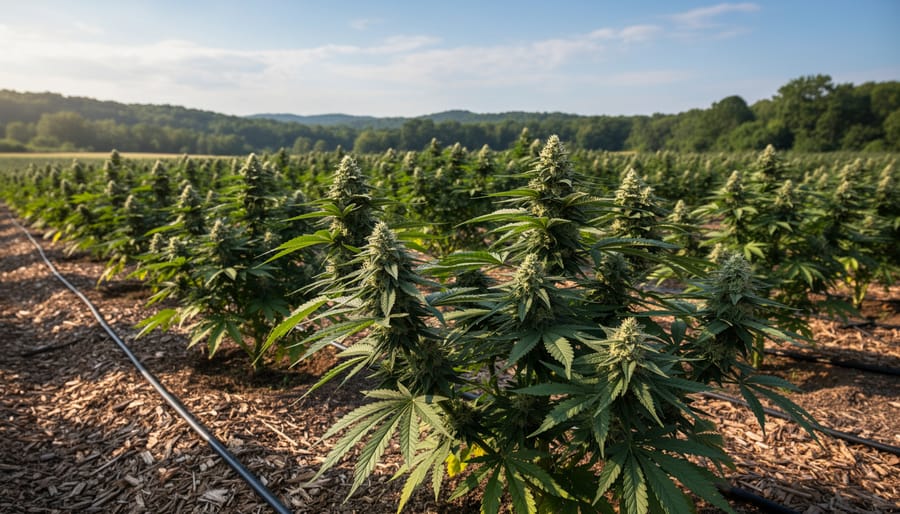
Outdoor cultivation, on the other hand, harnesses free sunlight and natural rainfall, drastically reducing energy demands. However, it’s not without challenges. You’re at the mercy of your local climate, seasonal changes, and potential pests. Some regions simply don’t have the right conditions for successful outdoor grows, and water scarcity in areas like California has raised important questions about outdoor cultivation’s sustainability in drought-prone regions.
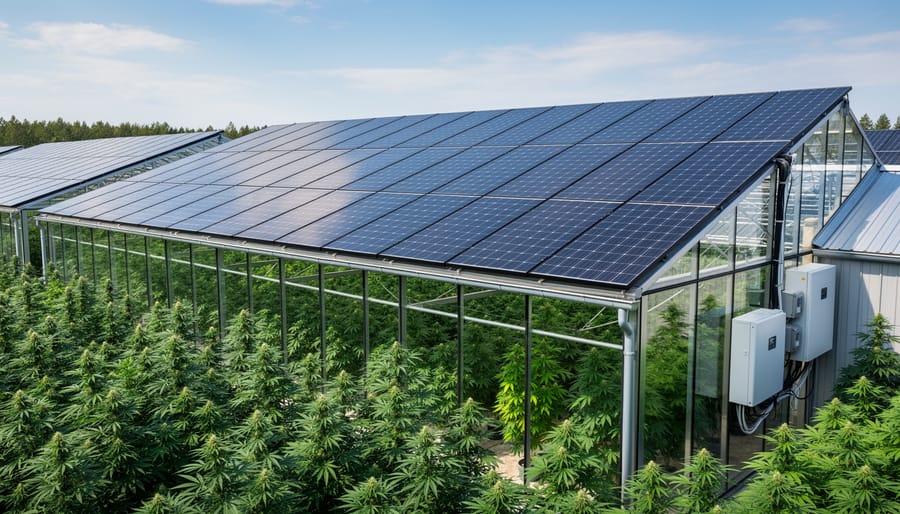
Greenhouse growing offers a middle path, combining natural sunlight with some climate control capabilities. Modern greenhouses can reduce energy consumption by 50-75% compared to indoor operations while providing more environmental stability than purely outdoor grows.
Here’s how these methods stack up:
| Method | Energy Use | Water Consumption | Carbon Footprint | Sustainability Rating |
|---|---|---|---|---|
| Indoor | Very High | Medium | High | Low |
| Outdoor | Minimal | Variable (climate dependent) | Low | High |
| Greenhouse | Moderate | Medium-Low | Medium | Medium-High |
When choosing your method, consider your local climate first. If you live in a region with consistent sunshine and mild temperatures, outdoor growing makes environmental sense. For areas with harsh winters or unpredictable weather, a greenhouse might be your best sustainable option. Indoor growing should be reserved for situations where other methods truly aren’t viable, and even then, commit to using renewable energy sources and LED lighting to minimize impact.
Remember, the most sustainable grow is one that works with your environment, not against it.
Step 2: Build Living Soil That Regenerates Itself
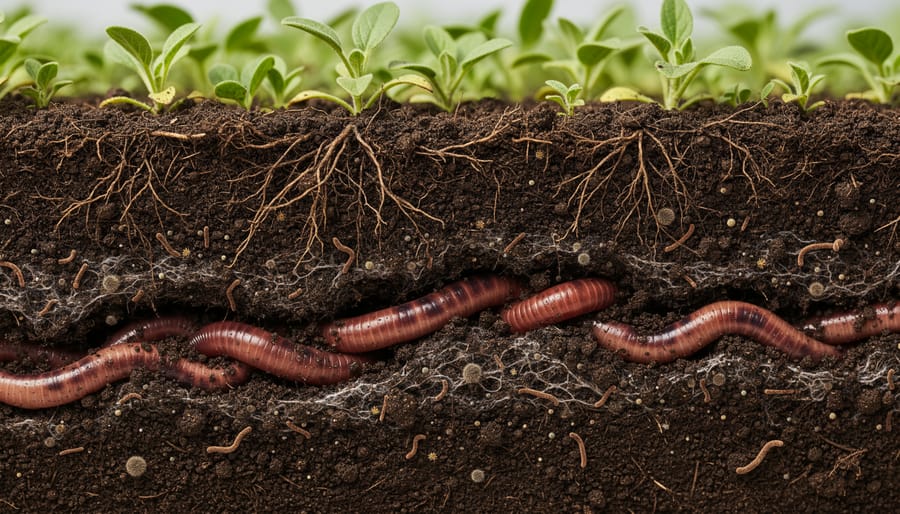
The best cannabis doesn’t come from bottles. It comes from soil that’s alive with billions of microorganisms working together to feed your plants naturally. Living soil cultivation represents a fundamental shift from conventional growing methods, treating your medium as an ecosystem rather than just a container for nutrients.
At its core, living soil mimics nature’s own systems. In forests and grasslands, plants thrive without anyone adding bottled nutrients because the soil food web handles everything. Bacteria, fungi, protozoa, and beneficial insects break down organic matter, making nutrients bioavailable exactly when plants need them. You can recreate this magic in your grow space.
Start with quality compost as your foundation. Properly aged compost teams with beneficial microbes and provides the organic matter that fuels the entire system. Mix it with peat moss or coco coir for structure, add aeration amendments like perlite or pumice, and incorporate mineral inputs such as rock dust, kelp meal, and neem cake. This creates a balanced base that can support multiple grow cycles without replacement.
Cover crops transform your approach between harvests. Instead of leaving soil bare, plant fast-growing species like clover, vetch, or buckwheat. These plants fix nitrogen, prevent erosion, suppress weeds, and when chopped and dropped, feed the microbial community. Sarah Martinez, a cultivator in Oregon, made the switch three years ago: “I was skeptical about cover crops at first, but my second harvest in living soil outperformed anything I’d grown with synthetic nutrients. The terpene profiles became incredibly complex, and I haven’t bought fertilizer since.”
The no-till principle keeps your soil structure intact. Every time you disturb soil, you disrupt fungal networks and microbial communities that took months to establish. Top-dressing with compost and using mulch layers maintains moisture and feeds biology from above, exactly like nature does.
Transitioning requires patience. Marcus Chen, who runs a small cultivation facility in Colorado, reminds new growers: “Living soil isn’t about instant results. My first cycle was learning, my second was better, but by the third, the soil had matured into something special. Now I’m growing medicine that tests higher and smokes cleaner than anything from my hydro days.”
The investment pays dividends beyond harvest quality. You’ll eliminate nutrient runoff, reduce costs dramatically, and grow cannabis that truly reflects its terroir, the unique character that living soil imparts to every flower.
Step 3: Master Water Conservation Techniques
Water is the lifeblood of any cannabis garden, but it’s also one of our most precious resources. The good news? You can slash your water consumption by up to 50% with smart irrigation techniques while actually improving your plants’ health. Let me walk you through how.
Drip irrigation is your secret weapon for water efficiency. Unlike traditional sprinklers that waste water through evaporation and runoff, drip systems deliver moisture directly to your plants’ root zones. I spoke with Maria, a small-scale cultivator in California, who switched to drip irrigation during the state’s drought years. “My water bill dropped by half,” she told me, “and my plants actually grew better because they received consistent moisture without the stress of wet-dry cycles.”
Setting up a basic drip system is surprisingly straightforward. You’ll need tubing, emitters that release water slowly, and a timer to automate watering schedules. Place emitters about 6 inches from each plant’s stem, allowing 1-2 gallons per hour for mature plants. Water early morning or evening to minimize evaporation.
Mulching is your next move. A 2-3 inch layer of organic mulch like straw, wood chips, or composted leaves around your plants acts like a moisture blanket, reducing evaporation by up to 70%. It also regulates soil temperature and suppresses weeds that compete for water.
Consider harvesting rainwater if local regulations permit. A single 1,000 square foot roof can collect over 600 gallons from just one inch of rainfall. Store it in food-grade barrels and use it to supplement your irrigation needs.
For those ready to level up, greywater systems that recycle shower or washing machine water (using plant-safe detergents) can provide a sustainable water source. Just ensure proper filtration and avoid water containing harsh chemicals.
Install moisture meters in your soil to prevent overwatering, one of the biggest mistakes new growers make. These inexpensive devices tell you exactly when your plants need water, eliminating guesswork and waste. Remember: healthy cannabis prefers slightly dry conditions between waterings, making conservation naturally aligned with optimal growing practices.
Step 4: Harness Renewable Energy for Indoor Operations
As cannabis cultivation scales up nationwide, the energy footprint of indoor operations has become impossible to ignore. Indoor grows can consume anywhere from 2,000 to 3,000 kilowatt-hours per pound of flower produced, making energy costs one of the largest operational expenses growers face. The good news? Renewable energy solutions have matured to the point where they make both environmental and financial sense for cannabis cultivators.
Solar power stands out as the most accessible renewable option for most growers. Take Glass House Farms in Southern California, which installed 5.5 megawatts of solar capacity across their greenhouse facilities. The system now provides roughly 70% of their daytime energy needs while reducing their carbon footprint by an estimated 5,000 metric tons annually. For smaller operations, rooftop solar arrays can offset significant portions of energy demand, with many growers reporting payback periods of just 5-7 years when factoring in federal tax credits and state incentives.
The efficiency equation starts with your lighting system. LED technology has revolutionized cannabis cultivation, with studies showing 34% better energy efficiency compared to traditional high-pressure sodium lamps. When you combine LEDs with renewable energy sources, the synergy multiplies your savings and sustainability impact.
Climate control represents another major energy drain that renewables can address. Energy-efficient HVAC systems paired with smart controllers can reduce heating and cooling costs by 30-40%. Some forward-thinking cultivators in windier regions have even explored small-scale wind turbines to supplement their energy mix, though solar remains the most practical option for most locations.
Calculating your ROI requires honest assessment of your current energy costs, available incentives, and system sizing. Most renewable energy installers offer free site assessments that can provide detailed projections specific to your operation’s needs and local conditions.
Step 5: Implement Integrated Pest Management Without Chemicals
One of the most rewarding aspects of growing cannabis is knowing exactly what goes into your plants—and what doesn’t. Chemical pesticides might offer a quick fix, but they come with serious downsides: residues on your final product, harm to beneficial organisms, and environmental contamination. The good news? You can protect your plants effectively using integrated pest management (IPM) strategies that work with nature instead of against it.
Start with prevention, which is always easier than cure. Healthy plants are naturally more resistant to pests and diseases, so focus on the fundamentals: proper watering, adequate airflow, and maintaining optimal temperature and humidity levels. Regular inspections are your best defense—check the undersides of leaves, stem joints, and soil surface at least twice weekly. Catching problems early, when you might spot just a few aphids or the first signs of fungal issues, makes all the difference.
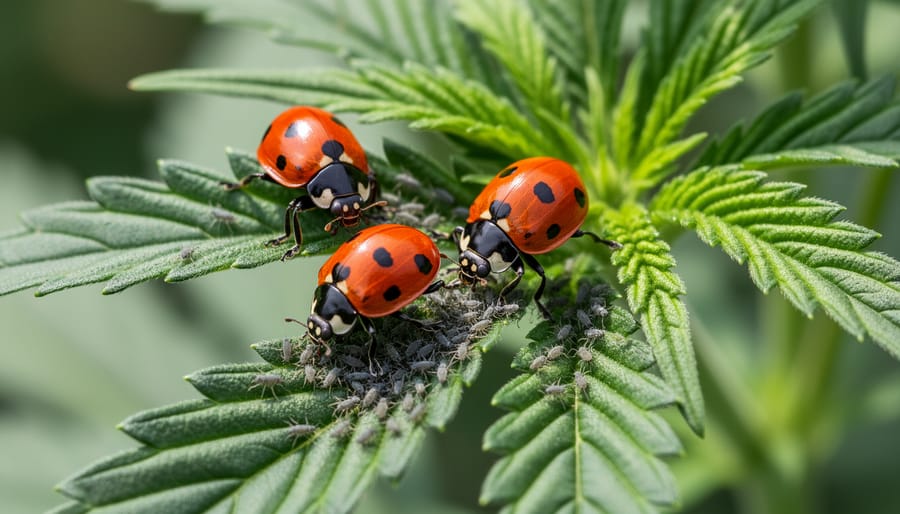
Beneficial insects are your garden’s security team. Ladybugs devour aphids with impressive efficiency, while predatory mites target spider mites and thrips. You can purchase these helpful allies online or from garden centers and release them directly onto your plants. They’ll patrol your garden, keeping pest populations in check without any intervention from you.
Companion planting creates a natural barrier against unwanted visitors. Basil, marigolds, and garlic planted around your cannabis can repel common pests while attracting pollinators and beneficial insects. It’s a beautiful, functional approach that also helps your garden blend more naturally into its surroundings if you’re growing outdoors.
For active pest problems, organic solutions like neem oil, insecticidal soaps, and diatomaceous earth provide effective control without toxic residues. A simple spray of diluted neem oil can address everything from spider mites to powdery mildew. Always apply treatments during cooler parts of the day and test on a single leaf first to ensure your plants tolerate the solution well.
This chemical-free approach isn’t just better for your health and the environment—it often produces superior results, creating robust plants with complex terpene profiles that chemical treatments can diminish.
Step 6: Design a Closed-Loop System for Waste and Nutrients
Creating a sustainable cannabis garden isn’t just about what you grow—it’s about what you don’t throw away. A closed-loop system transforms your cultivation space into a circular economy where waste becomes resource, and every byproduct finds new purpose. Think of it as nature’s original recycling program, applied to cannabis cultivation.
The environmental footprint of cannabis cultivation has drawn increasing scrutiny, especially in states where legalization has brought industrial-scale operations. But home growers have a unique advantage: you can implement waste-reduction strategies that many commercial facilities struggle to adopt. The beauty of closed-loop systems is they save money while reducing environmental impact—a win-win that aligns perfectly with sustainable growing practices.
Start by understanding what materials you’re working with. Cannabis cultivation generates significant plant matter through trimming, defoliation, and harvest. Nutrient runoff from watering contains valuable minerals. Even root balls and spent growing medium hold resources worth capturing. Setting up a basic closed-loop nutrient recycling system involves these key steps:
- Collect all plant trimmings, stems, and leaves in a designated compost bin specifically for cannabis material.
- Capture nutrient runoff from containers in collection trays, then filter and test pH levels before reusing.
- Break down spent growing medium by mixing it with compost activators and worm castings.
- Create compost tea from finished cannabis compost to feed back into your plants as liquid fertilizer.
- Incorporate biochar into your soil mix to improve nutrient retention and reduce the need for fresh inputs.
Grower Maria Gonzalez from Oregon transformed her basement operation using these principles. “I was spending hundreds monthly on nutrients and hauling bags of waste to the curb,” she explains. “Now my trim feeds next season’s soil, and my runoff gets filtered back through. It’s like the garden feeds itself.” Her story illustrates how individual cultivators can lead the sustainability movement from the ground up.
Step 7: Track, Measure, and Continuously Improve Your Impact
Growing sustainably isn’t just about implementing practices—it’s about measuring your impact and continuously evolving. Think of this step as your sustainability report card, one that keeps you accountable and highlights areas where you can do even better.
Start by establishing baseline metrics before you make any changes. Track your water usage per plant by monitoring irrigation systems and calculating gallons used throughout each growth cycle. For energy consumption, review your electricity bills and identify how much power your lights, HVAC, and dehumidifiers consume monthly. Calculate your carbon footprint by considering energy sources, transportation for supplies, and waste management practices. There are online carbon calculators specifically designed for agricultural operations that can simplify this process.
Once you have your baseline, set realistic improvement goals. Maybe you aim to reduce water usage by 20% over the next year or transition to 50% renewable energy. Document everything—photos, spreadsheets, and journals create a powerful record of your journey.
Consider pursuing certification through programs like the Cannabis Certification Council’s Sustainable Standards or Resource Innovation Institute’s certification, which provide frameworks for measuring and validating your sustainable practices. These certifications not only hold you accountable but also differentiate your product in an increasingly eco-conscious market.
Meet growers like Marcus from Oregon, who started tracking his metrics three years ago. “Seeing the numbers made it real,” he shares. “We cut our water use by 35% just by paying attention and making small adjustments. Now sustainability is baked into every decision we make.”
Remember, sustainable growing is iterative. You’ll discover new techniques, technologies will improve, and your understanding will deepen. Review your metrics quarterly, celebrate your wins, learn from setbacks, and keep pushing forward. Every improvement, no matter how small, contributes to a healthier planet and a more responsible cannabis industry.
Common Challenges and How to Overcome Them
Transitioning to sustainable cannabis cultivation can feel like stepping into unfamiliar territory, and many growers share similar concerns. Let’s address these head-on, because understanding the challenges is the first step to overcoming them.
The most common hesitation? Initial investment. Yes, quality organic amendments, water filtration systems, and composting equipment require upfront capital. But here’s a mindset shift that helped Maria, a home grower from Colorado: “I stopped seeing it as an expense and started viewing it as infrastructure investment. Those microbes I’m feeding don’t need to be repurchased every cycle like synthetic nutrients.” She’s right. While you might spend more initially, sustainable inputs often cost less over time because you’re building soil health rather than depleting it.
The learning curve intimidates many cultivators accustomed to conventional methods. Instead of following a strict feeding schedule, you’re learning to read your plants and soil. Connect with online communities, watch experienced organic growers, and remember that every master cultivator was once a beginner. Give yourself permission to experiment on a small scale before converting your entire operation.
Will sustainable methods reduce my yield?
Not if implemented properly. Many organic growers report comparable or even superior yields once their soil ecosystem matures, typically after 2-3 cycles.
Is organic growing more expensive?
Initially yes, but ongoing costs often decrease as you build living soil, produce your own compost, and reduce dependency on bottled nutrients.
How long before I see results from sustainable practices?
You’ll notice improvements in plant health within one cycle, but optimal soil biology and peak performance typically develop over 3-6 months of consistent practices.
The key is patience and persistence. Sustainable cultivation rewards those who commit to the process, not just the harvest.
Growing cannabis sustainably isn’t just good for the planet—it’s good for your garden, your wallet, and the future of cannabis culture. The seven steps we’ve outlined demonstrate that environmental responsibility and thriving plants go hand in hand. When you conserve water, build healthy soil, and harness natural pest management, you’re not just reducing your environmental footprint; you’re creating stronger, more resilient plants that produce better yields.
Here’s the truth: you don’t need to implement all seven steps overnight. Start small. Maybe this season you focus on composting your plant waste and switching to organic nutrients. Next year, you introduce companion planting and upgrade to LED lights. Sustainable cultivation is a journey, not a destination, and every step forward counts.
This approach matters beyond your grow space. Every responsible grower who embraces sustainable practices helps shift the narrative around cannabis from stigma to stewardship. When we demonstrate that cannabis cultivation can be environmentally conscious and economically viable, we provide powerful ammunition for policy makers and activists working to normalize this plant in mainstream society.
The choice is yours, and the tools are at your fingertips. Download our comprehensive PDF guide today to access detailed instructions, troubleshooting tips, and expert insights for each step. Whether you’re planning your first grow or refining your current operation, sustainable cultivation offers a path forward that honors both the plant and the planet. Your sustainable cannabis journey starts now—let’s grow responsibly, together.