
Sourcing research peptides from Kylo Peptides and other verified suppliers requires understanding both availability and the quality standards that separate legitimate laboratory materials from questionable products flooding online marketplaces. Researchers today face a landscape where peptides for scientific study are widely advertised, yet few suppliers provide the documentation, purity verification, and regulatory compliance necessary for credible work.
The research peptide market has grown substantially, driven by expanding applications in cellular biology, pharmacology, and therapeutic development. But this growth has created challenges: suppliers vary wildly in testing rigor, batch consistency, and transparency. For laboratory personnel evaluating vendors, the baseline requirement is clear: every vial should arrive with a Certificate of Analysis showing HPLC and mass spectrometry results, confirming both identity and purity above 98%. Without that documentation, you’re working blind.
Canadian suppliers like Reviv Peptides and PeptidePro Canada have established protocols that meet these standards, testing each lot and posting COAs with every batch shipped from their facilities. Reviv currently stocks 34 SKUs and can dispatch orders the same day from its Vancouver lab, illustrating the operational capacity serious researchers expect. These peptides are designated strictly for laboratory research use, a regulatory distinction that matters both legally and practically.
This article cuts through the marketing noise to focus on what counts: how to identify reputable suppliers, interpret quality documentation, and avoid the pitfalls that compromise research integrity. We’ll examine the verification steps that protect your work, the regulatory context shaping peptide commerce in 2026, and the evaluation criteria that distinguish credible vendors from operations that prioritize volume over verification.
What Research Peptides Actually Are (And Why They Matter)

Peptides sit at a fascinating intersection in modern laboratory science, short chains of amino acids that act as signaling molecules in virtually every biological process your body runs. While proteins might contain hundreds or thousands of these building blocks, peptides typically range from two to fifty amino acids, making them small enough to study in isolation yet complex enough to reveal how cells communicate, repair damage, and regulate everything from metabolism to immune response.
In research settings, these molecules serve as precision tools for understanding disease mechanisms that remain poorly mapped. A lab studying neurodegenerative conditions might use specific peptides to observe how cellular signaling breaks down in Alzheimer’s models. Cancer researchers deploy them to investigate how tumor cells evade immune detection. The compounds themselves don’t treat patients, they illuminate the pathways that future therapies might target.
- Peptides
- Short chains of amino acids (typically 2-50 units) that function as signaling molecules in biological systems, smaller than proteins but capable of triggering specific cellular responses.
- Amino Acid Chains
- Sequential links of amino acid molecules connected by peptide bonds; the order determines what biological function the chain can perform.
- Research-Grade Materials
- Chemical compounds manufactured and tested to standards appropriate for laboratory investigation, distinct from pharmaceutical-grade substances intended for human use.
- Laboratory Use Designation
- Regulatory classification indicating a substance is intended exclusively for scientific research rather than therapeutic administration, often marked “for research use only.”
This research has tangible implications beyond academic curiosity. Peptide studies have contributed to breakthroughs in diabetes management, cancer immunotherapy development, and our understanding of pain signaling. The same skepticism that once surrounded cannabis research, dismissing promising avenues because of regulatory complexity or cultural stigma, applies here. Legitimate scientific inquiry requires access to quality materials, clear standards, and recognition that exploration precedes application.
What makes peptides particularly valuable in labs is their specificity. Unlike broad-spectrum drugs that affect multiple systems, individual peptides often interact with single receptors or pathways. That precision lets researchers isolate variables, test hypotheses about particular mechanisms, and build knowledge piece by careful piece. A peptide that binds to a cannabinoid receptor, for instance, can help map how that receptor system functions without the confounding variables of whole-plant compounds.
The challenge lies in obtaining materials that match published research standards. Contaminated samples, incorrect sequences, or degraded compounds compromise results and waste resources. That’s why the sourcing conversation matters as much as the science itself.
The Supply Chain: Where Research Peptides Come From in 2026
Vancouver’s Emerging Role in Peptide Supply
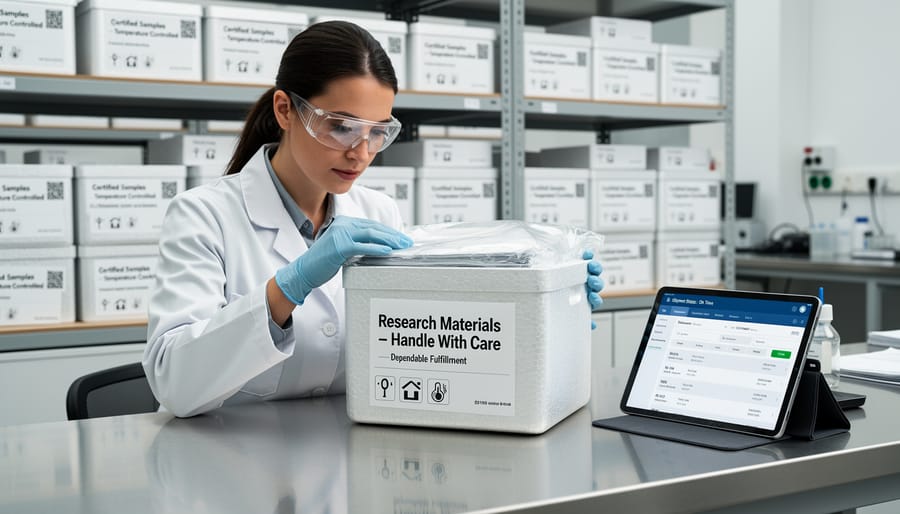
Vancouver has rapidly become a cornerstone for research peptides distribution in Canada, with suppliers streamlining logistics to meet the pace of scientific demand. One standout example is Reviv Peptides, which operates directly out of a Vancouver laboratory. This location isn’t just about geography; it’s about optimizing speed and reliability for research labs nationwide. With every batch shipping from Vancouver, labs benefit from reduced transit times and a tightly controlled supply chain, key when project timelines hinge on prompt material delivery.
The ability to offer same-day dispatch, as advertised by Reviv Peptides, is a game-changer for research operations that can’t afford delays. This approach allows researchers to maintain momentum in their projects, especially when dealing with perishable or time-sensitive compounds. Alongside Reviv, suppliers like PeptidePro Canada can provide COA-posted vials, pushing lab readiness even further. What’s emerging is a local, responsive infrastructure that treats logistical detail as a pillar of scientific reliability, not just an afterthought. Vancouver’s labs are turning rapid, consistent peptide access into an industry standard, making the city more than a stop on a map; it’s becoming an essential hub for researchers who need quality research peptides, fast.
Stock Availability and SKU Options
A supplier carrying 34 SKUs in stock offers something most researchers overlook until they need it: flexibility to pivot when a protocol isn’t working. That breadth means you can test multiple peptide sequences without waiting weeks for special orders or settling for whatever happens to be available when your grant funding finally clears.
Inventory variety matters more than catalog size. Some suppliers list hundreds of peptides but keep only a handful ready to ship, forcing you into backorder limbo. Others maintain smaller inventories of commonly requested sequences with guaranteed availability. When a Canadian supplier can dispatch orders the same day from their Vancouver facility, that stock commitment becomes part of your research timeline, not a variable that derails it.
The SKU count tells you about research scope, too. A supplier stocking 34 different peptides is serving laboratories working across diverse applications: some studying metabolic pathways, others investigating cellular signaling, still others exploring receptor interactions. That cross-section of demand usually indicates reliable turnover, which means fresher materials and fewer concerns about degraded stock sitting on shelves.
But raw numbers don’t tell the whole story. What matters is whether the available sequences align with your actual research needs. A supplier with 10 relevant peptides properly tested and documented beats one with 100 options but spotty quality control. Check whether their inventory includes the specific sequences your protocols require, and whether each batch comes with HPLC and mass spectrometry verification. Flexibility means nothing if the materials don’t meet analytical standards.
Quality Standards That Protect Your Research (And Your Investment)
Reading Your Certificate of Analysis
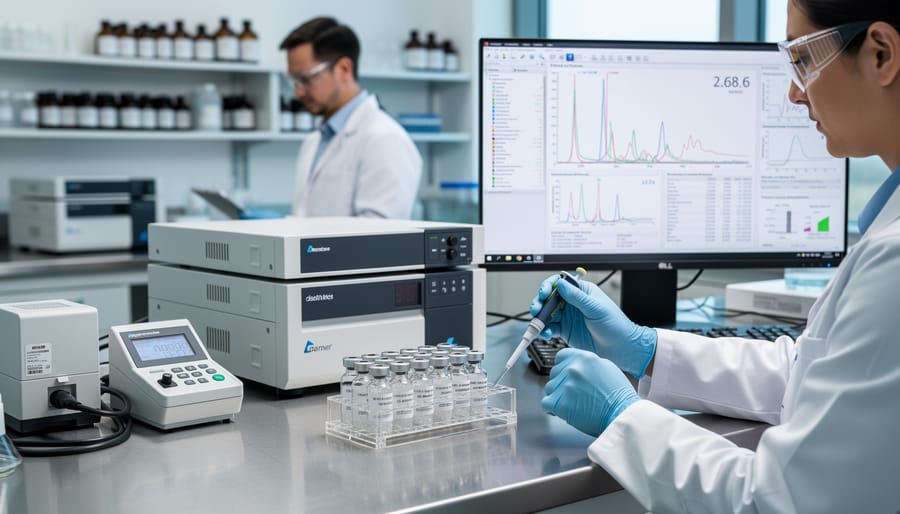
A Certificate of Analysis isn’t decorative paperwork, it’s the quality control document that tells you whether your research material is what the supplier claims. Every legitimate peptide supplier provides one with each batch, and knowing how to read it separates researchers who get reliable data from those who waste time troubleshooting contaminated samples.
Start with the identity section. A proper COA lists the peptide sequence, molecular weight, and lot number. This confirms you received the specific compound you ordered. The molecular weight should match published reference data for that sequence, not just a ballpark figure. Batch numbers let you track consistency across orders and trace results back to specific production runs.
Next, examine the purity results. Most suppliers test by HPLC, which separates compounds by how they interact with a column under pressure. The COA should report purity as a percentage, typically above 95% for research-grade peptides, and include a chromatogram showing the separation pattern. A single sharp peak indicates high purity. Multiple peaks or a messy baseline suggest impurities that could skew your experimental outcomes.
Mass spectrometry results confirm the peptide’s actual molecular mass. This measurement should align closely with the theoretical mass. A discrepancy of more than a few Daltons raises questions about synthesis accuracy or degradation.
Watch for red flags. Missing test dates mean the analysis could be months old, and peptides degrade over time. Vague language like “meets specifications” without numerical data hides poor quality. COAs that lack accredited lab signatures or reference standards shouldn’t inspire confidence. Some suppliers reuse generic COAs across batches, check that the lot number on your vial matches the document.
The COA isn’t just bureaucracy. It’s verification that your research starts on solid ground.
The Intersection Nobody Talks About: Cannabis Research and Peptide Science
Two fields once confined to separate corners of scientific inquiry are beginning to share laboratory space. Research peptides and cannabis science converge in ways that challenge both regulatory frameworks and public perception, creating opportunities for discoveries that neither discipline could achieve alone.
The endocannabinoid system, long a focus of medical cannabis research operates partly through peptide signaling mechanisms. Researchers studying cannabinoid receptors have found that certain peptides can modulate how these receptors respond to compounds like CBD and THC. This interaction matters because it opens pathways for developing more targeted therapeutic approaches, where peptides might enhance or direct cannabinoid effects toward specific cellular targets.
Beyond receptor interactions, peptide-based delivery systems represent a frontier for cannabinoid administration. Traditional methods like smoking or oral consumption face limitations in bioavailability and precision. Peptide carriers can potentially transport cannabinoids across biological barriers more efficiently, protecting active compounds from degradation while guiding them to intended sites. Labs exploring these mechanisms need reliable peptide sources to validate their findings across multiple trials.
The parallel challenges facing both fields run deeper than methodology. Just as cannabis science has fought to separate legitimate medical research from recreational use narratives, peptide researchers navigate similar territory. Both encounter suppliers whose marketing blurs the line between research materials and wellness products. Both face regulatory systems struggling to distinguish between valid scientific inquiry and consumer markets disguised as research.
This shared struggle with stigma creates unexpected common ground. Cannabis researchers understand how legitimate science gets overshadowed by assumptions about misuse. Peptide scientists face identical frustrations when their materials get associated with unregulated supplement markets. The overlap isn’t just scientific but cultural, reflecting broader tensions between innovation and control in health research.
Studies examining distinctions like THCA vs THC demonstrate how granular understanding of molecular structure drives therapeutic potential. Similar precision applies when peptides interact with cannabinoid pathways, where slight modifications in amino acid sequences alter receptor binding affinity dramatically. This level of detail demands materials verified through consistent testing protocols, making supplier reliability central to advancing either field responsibly.
What ‘Research Use Only’ Really Means (And Why It Matters)

That innocuous label slapped on peptide vials, “For Research Use Only”, isn’t legal boilerplate. It’s a regulatory boundary that protects both researchers and suppliers, and crossing it carries real consequences.
The designation means exactly what it says: these materials are manufactured, tested, and sold exclusively for in-vitro laboratory research. They haven’t undergone the rigorous clinical trials, manufacturing standards, and regulatory review required for therapeutic use in humans or animals. Think of it like the difference between laboratory-grade ethanol and beverage alcohol, chemically similar, regulated entirely differently.
This distinction matters because peptide research exists in a regulatory gray zone similar to cannabinoid legality technically permissible for scientific inquiry, but tightly restricted when it comes to human consumption or medical claims. Suppliers like Reviv Peptides explicitly state their materials are for laboratory research use only, shipping from their Vancouver lab with Certificates of Analysis that document purity for scientific applications, not therapeutic ones.
The ethical considerations run deeper than avoiding regulatory trouble. Legitimate peptide research advances our understanding of cellular mechanisms, disease pathways, and potential therapeutic targets. When materials intended for controlled laboratory environments get diverted to unregulated uses, it undermines this scientific work, invites heavier restrictions, and puts users at genuine risk from unverified substances.
For researchers, respecting this designation protects your work’s integrity and your institution’s standing. Purchase orders should come from recognized research entities, not individuals. Documentation should clearly establish the laboratory setting and research protocol. Your supplier should ask questions about intended use, if they don’t, that’s a red flag.
The research-only label isn’t arbitrary bureaucracy. It’s the framework that allows legitimate peptide science to proceed while maintaining clear boundaries around safety and regulation. Ignoring it doesn’t just put you at legal risk; it threatens the entire field’s ability to operate and advance knowledge responsibly.
Red Flags When Shopping for Research Materials
Shopping for research peptides requires the same scrutiny you’d apply to any critical laboratory supply. The consequences of compromised materials extend beyond wasted budget, they can invalidate months of work and compromise research integrity.
Missing or inadequate testing documentation tops the list of concerns. Any supplier that doesn’t readily provide Certificates of Analysis for each batch should raise immediate questions. Legitimate providers test materials by HPLC and mass spectrometry as standard practice; if a vendor can’t produce these results or seems vague about their analytical methods, that’s your signal to move on. The COA should match the specific lot number you’re receiving, not a generic document recycled across multiple batches.
Watch for marketing language that blurs the line between research materials and therapeutic products. Phrases promising health benefits, treatment outcomes, or personal wellness effects indicate a supplier either doesn’t understand or doesn’t respect the regulatory framework around research-grade materials. This matters for safety and compliance reasons that extend to your institution’s standing and your research’s credibility.
Pricing that seems remarkably low compared to established suppliers deserves skepticism, not celebration. Quality peptide synthesis, proper storage conditions, and rigorous testing cost money. Vendors undercutting the market significantly may be cutting corners on purity verification, handling protocols, or starting materials.
Communication gaps provide another telling sign. Legitimate suppliers answer specific technical questions about synthesis methods, storage recommendations, and handling requirements. Evasive responses or pressure to purchase quickly without addressing your concerns suggest a vendor prioritizing transactions over research quality. The same applies to unclear return policies or resistance to discussing batch-to-batch consistency, these conversations should be straightforward for any reputable provider.
Building a Relationship with Your Peptide Supplier
Your first order with a peptide supplier reveals their process. Your fifth tells you whether they’re worth keeping.
Most researchers treat peptide sourcing like a one-time transaction, but your work depends on consistent materials across experiments. A supplier who delivers quality vials today but ships degraded batches next quarter wastes months of protocol development and burns through grant funding. The relationship matters more than the initial purchase.
Start by testing their transparency before you commit to bulk orders. Ask specific questions about their testing protocols, batch tracking systems, and where materials ship from. A reliable supplier answers directly, often within hours. Vague responses about “industry-standard testing” or slow communication suggests you’ll chase documentation when you actually need it, mid-experiment with time-sensitive protocols.
Request COAs for multiple batches of the same peptide, not just the one they’re selling you right now. Purity variance between lots reveals their quality control consistency. Reputable suppliers welcome this scrutiny because they know their HPLC and mass spectrometry results hold up across batches. If they hesitate or make COA access difficult, that friction will only intensify once you’re a paying customer.
Track delivery reliability across your first three orders. Same-day dispatch claims mean nothing if shipping delays become routine or if your vials arrive improperly stored. Document communication responsiveness when you have questions about storage requirements or unexpected results. These patterns predict how they’ll handle the inevitable supply chain disruption or quality concern.
Build relationships with two suppliers, not one. Single-source dependency puts your research timeline at the mercy of their inventory gaps and shipping problems. Having a vetted backup means you’re comparing quality and service continuously, which keeps both suppliers accountable.
Sourcing research peptides in 2026 requires the same rigor you bring to every other aspect of laboratory work. The choices you make about suppliers directly affect data quality, research integrity, and ultimately the validity of your findings. Batch testing documentation, transparent analytical standards, and clear regulatory designations separate legitimate research materials from questionable products marketed without accountability.
The parallel between peptide research and cannabis science reveals something deeper about how we advance medical knowledge. Both fields navigate the tension between legitimate scientific inquiry and misuse concerns, both face regulatory complexity that can slow progress, and both benefit when researchers prioritize transparency and ethical practice. The destigmatization that happens in cannabis research, treating compounds as subjects of serious scientific investigation rather than cultural flashpoints, applies equally to peptides. When you source materials responsibly and document your work thoroughly, you contribute to a broader shift toward evidence-based understanding.
Quality verification starts with understanding what you’re reading in a Certificate of Analysis. HPLC and mass spectrometry results tell you what’s actually in the vial, not just what the label claims. Consistent batch-to-batch performance depends on suppliers maintaining those standards across every shipment, whether materials arrive from a Vancouver lab or elsewhere. The 34 SKUs some suppliers stock matter less than whether the specific compounds you need meet documented purity thresholds.
Research use designations exist for good reasons. They protect both the integrity of scientific work and public health by maintaining clear boundaries between laboratory investigation and therapeutic application. Respecting those boundaries while pursuing ambitious research questions demonstrates the professionalism that moves entire fields forward. The questions you’re asking in your lab today shape what becomes possible tomorrow.