
Accepting ageing starts with reframing it from a loss to a process of continued becoming. The core method involves three concurrent shifts: separating your identity from your appearance, building competence in areas that deepen with time, and addressing the physical discomfort that often fuels age-related anxiety. This isn’t about positive thinking or denying that your body is changing. It’s about practical tools that make the experience of getting older feel less like watching something slip away and more like stepping into a different, equally valuable phase.
The resistance most people feel around ageing isn’t shallow vanity. It’s grief over losing the cultural visibility and physical ease that youth provided, combined with very real concerns about pain, energy loss, and cognitive decline. You’re not broken for feeling this. But you can change your relationship to the process without pretending wrinkles are exciting or that “age is just a number.” Those platitudes skip over the actual work.
This is where cannabis enters the conversation, not as a cure for ageing but as a harm-reduction tool for some of its harder edges. Chronic inflammation, disrupted sleep, and persistent discomfort can make anyone feel like their body is turning against them. For many older adults, cannabinoids offer a way to manage these symptoms with fewer side effects than conventional options, which matters when you’re trying to stay present in your life instead of white-knuckling through it. The goal isn’t to numb out. It’s to reduce the static so you can actually engage with what this stage offers: perspective, emotional regulation, freedom from caring what strangers think, and the ability to choose your battles.
What You’ll Need to Begin Accepting Ageing
Accepting ageing is not a task you complete in a single afternoon, and you don’t need everything perfectly in place before you begin. Think of this journey as gathering helpful resources as you walk, rather than packing a bag before departure. Some tools will prove essential, others optional depending on your path.
The most critical resource costs nothing but requires courage: honest self-reflection. You need space to examine your current feelings about ageing without judgment, acknowledging both the fears and the parts of growing older you already embrace. A journal works for some people, while others prefer long walks or conversations with trusted friends. The medium matters less than the commitment to truth.
You’ll want reliable health information specific to your body and circumstances. This means access to healthcare providers who listen, up-to-date resources on age-related changes, and the discernment to separate evidence-based guidance from marketing disguised as wellness advice. If you’re considering cannabis as part of your wellness approach, seek out current research and medical professionals familiar with cannabinoid therapy in older adults, not just anecdotal testimonials or product sales pitches.
Beyond information, these resources support the acceptance process:
- A support network of people navigating similar life stages who can normalize your experience
- Mental health support, whether through therapy, support groups, or peer counselling
- Educational materials on both conventional and alternative wellness approaches, including cannabis research
- Access to movement practices, nutrition guidance, and stress management tools that adapt to changing needs
- Cannabis products (if you choose this route) from reputable sources, ideally with guidance on appropriate formulations and dosing for older adults
- Time and permission to experiment, adjust, and figure out what actually works for your unique body and circumstances
Openness matters more than any physical resource. The willingness to question inherited beliefs about what ageing should look like, to try approaches you once dismissed, and to adjust course when something stops serving you creates the foundation for genuine acceptance. You won’t find that openness in a store or download it from a website, but you can cultivate it through practice, and it grows stronger the more you use it.
Important Considerations Before You Start
Before you begin working toward acceptance of ageing, recognize that not every physical or emotional change deserves acceptance, some warrant medical attention. Sudden cognitive shifts, unexplained pain, persistent depression, or significant functional decline can signal treatable conditions rather than normal ageing. The key difference: natural ageing typically happens gradually and doesn’t drastically impair your daily life, while health conditions often arrive more suddenly or progress in ways that interfere with activities you could manage before. If something feels wrong beyond the expected adjustments of getting older, consult your healthcare provider rather than chalking it up to age.
This medical check-in becomes especially important if you’re considering cannabis as part of your wellness approach. Cannabis interacts with numerous medications commonly prescribed to older adults, blood thinners, heart medications, sedatives, and pain relievers among them. These cannabis drug interactions can alter how your body processes both the cannabis and your existing medications, potentially reducing effectiveness or increasing side effects. Any conversation with your doctor about incorporating cannabis should include a full review of your current medication list, not just a general approval.
Watch for wellness advice that’s actually ageism in disguise. Messages suggesting you should accept looking older while simultaneously pushing anti-ageing products, or framing acceptance as giving up on vitality and joy, don’t serve you. Real acceptance involves honoring where you are while still pursuing health, connection, and experiences that matter to you. It means adjusting expectations to match your current reality, not abandoning quality of life or settling for isolation and discomfort because society says that’s what older people do.
Step-by-Step: Building Acceptance of Your Ageing Journey
Step 1: Acknowledge Where You Are Right Now
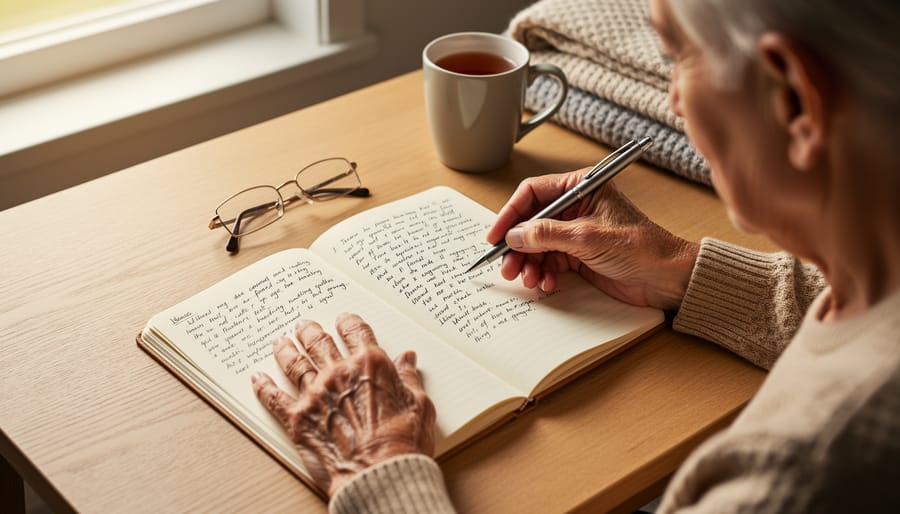
You can’t shift what you won’t see clearly. The first step toward accepting ageing starts with an honest look at where you stand right now, not where you wish you were, and not where you think you “should” be.
Grab a journal or open a notes app and ask yourself: What specific aspects of getting older bother me most? Physical changes? Social invisibility? Fear of losing independence? Write whatever surfaces without editing or justifying it. Then flip the question: What parts of ageing have I already made peace with? Maybe you’ve stopped obsessing over grey hair, or you’ve noticed you care less about others’ opinions. Both the resistance and the acceptance matter.
Try this self-assessment: On a scale of one to ten, how much mental energy do I spend fighting my age versus living my actual life? If the number’s high, you’re not broken, you’re just carrying beliefs about ageing that deserve examination. This inventory isn’t about judgment. It’s about establishing your starting point so you can measure real progress as you move through the other steps in building acceptance.
Step 2: Challenge Ageist Narratives You’ve Internalized
Most of us carry invisible scripts about ageing we never consciously chose to believe. They sound like “older people are less capable,” “my best years are behind me,” or “I should hide signs of my age.” These narratives didn’t originate with you, they came from advertisements selling anti-ageing products, workplace cultures that value youth over experience, and media that renders older adults invisible or frames them as burdens.
Start noticing when these thoughts surface. Write them down. Then ask: Is this actually true, or is this what I’ve been taught to believe? Challenge each assumption with counter-evidence from your own life and from older adults you admire who are thriving, contributing, and living fully.
The intersection of ageism and cannabis stigma reveals how arbitrary these narratives are. For decades, both older adults and cannabis users faced dismissive stereotypes. Now, adults over fifty represent one of the fastest-growing demographics of cannabis consumers, and they’re rewriting both scripts simultaneously. They’re demonstrating that exploring plant medicine for wellness isn’t reckless, it’s informed self-care. They’re proving that ageing doesn’t mean accepting diminished quality of life.
Every time you question an ageist belief, you reclaim authority over your own experience. Acceptance grows not from resigning yourself to decline, but from rejecting the lie that ageing equals decline in the first place.
Step 3: Focus on Function and Quality of Life, Not Age Markers
Stop fixating on the candles on your birthday cake. The number itself tells you almost nothing about your actual quality of life. What matters is whether you can do the things that bring you meaning and pleasure.
Shift your focus to four concrete areas: mobility (can you move comfortably through your day?), cognitive engagement (are you learning, creating, solving problems?), social connection (do you have people who matter to you?), and joy (are you experiencing regular moments of delight or contentment?). These functional measures reveal far more about how you’re aging than your chronological age ever will.
Many cannabis users over 50 have adopted this functional perspective specifically. They report using plant medicine not to turn back the clock, but to maintain these quality-of-life factors where aging has created obstacles. CBD helps manage joint inflammation that interferes with morning walks. Low-dose THC improves sleep disrupted by chronic pain. Cannabis addresses the anxiety that can accompany life transitions, making social engagement feel possible again.
This isn’t about chasing youth. It’s about asking the right question: not “How old am I?” but “What do I need to keep living fully?” When you reframe aging around function rather than age markers, acceptance becomes easier because you’re working with reality, not fighting an arbitrary number.
Step 4: Build a Wellness Routine That Honors Your Changing Body
Your body isn’t the same at 55 as it was at 25, and that’s not failure, it’s information. The wellness routine that served you a decade ago might now leave you sore or exhausted. Building acceptance means creating self-care that works for who you are now, not who you were.
Start with movement that feels good rather than punishing. Swap high-impact workouts for swimming, yoga, or brisk walking if joints protest. The goal is consistency and function, not performance. Many older adults find gentle stretching before bed improves both mobility and sleep and cognition.
Nutrition shifts matter too. Your metabolism has changed; honor that by focusing on nutrient-dense foods rather than restriction. Hydration becomes more critical. If inflammation is an issue, some people add omega-3s or reduce processed foods.
Sleep often requires more attention as you age. Create a consistent bedtime routine. Limit screens. Address pain that keeps you awake. A growing number of older adults report using low-dose CBD for inflammation or THC microdoses for sleep quality, though you should discuss cannabis use with your doctor, especially if you take other medications.
Stress management isn’t optional anymore. Whether through meditation, time in nature, creative hobbies, or cannabinoid support, find what actually calms your nervous system. The routine that honors your changing body is one you’ll actually maintain, not one that demands you perform youth.
Step 5: Cultivate Community and Intergenerational Connection
Isolation makes accepting ageing harder, when you’re disconnected from others, negative narratives fill the space. Actively building community counteracts this. Seek out peers who share your stage of life; they understand the specific challenges and transitions you’re facing without explanation. Look for walking groups, hobby clubs, volunteer opportunities, or online forums where age is acknowledged rather than ignored.
Equally important: maintain connections across generations. Intergenerational friendships combat the echo chamber of age-focused anxiety. Mentoring younger people reminds you of your accumulated wisdom; learning from them keeps you engaged with evolving ideas.
Cannabis-friendly senior communities and education programs are emerging as unexpected connection points. Some cannabis dispensaries now offer senior-specific workshops on safe use for age-related concerns. Cannabis social clubs increasingly welcome older members, creating spaces where both plant medicine interest and life stage intersect. These communities normalize conversations about ageing bodies, changing needs, and exploring wellness options, making acceptance feel less like solitary work and more like shared territory.
Step 6: Practice Gratitude for Your Body’s Resilience
Your body has carried you through decades of experiences, recoveries from illness, adaptation to stress, healing from injuries both physical and emotional. Each scar, wrinkle, and changed capacity tells that story.
Start a daily practice: Before rising, mentally scan your body and name three things it’s doing right now. Your heart beats without conscious effort. Your lungs fill. Your eyes open to light. These aren’t trivial, they’re extraordinary.
When you notice a physical change that frustrates you, pair it with what that body part has accomplished. Knees that ache climbed mountains, danced at weddings, carried children. Hands with prominent veins have created, comforted, built things that mattered.
Write thank-you notes to specific body parts. It sounds strange until you try it and feel the shift from criticism to appreciation.
How to Know It’s Working: Signs You’re Accepting Ageing
Acceptance of ageing isn’t a finish line you cross; it’s a shift you’ll notice in how you move through daily life. You might catch yourself laughing at a birthday joke instead of wincing, or choosing comfort over fashion without shame. These small moments reveal progress more than any grand epiphany.
One reliable indicator: you stop mentally time-traveling to your younger self. Instead of constant comparison, wishing you had your 25-year-old energy or mourning your 30-year-old skin, you find yourself appreciating what your current body can do. You celebrate hiking two miles rather than lamenting you once ran marathons. This shift from deficit thinking to gratitude marks real acceptance.
Notice whether you’re having honest conversations about age. Can you mention your actual age without adding qualifiers or apologies? Do you discuss age-related changes, grey hair, reading glasses, joint stiffness, without self-deprecation? Authentic dialogue about ageing, including topics like aging brain science or exploring sustainable cannabis cultivation as a retirement hobby, signals comfort with where you are.
Willingness to ask for help is another benchmark. Accepting ageing means acknowledging changed capacities without shame. You request assistance with heavy lifting, admit when you need larger print, or consult healthcare providers about new symptoms rather than dismissing everything as “just getting old.”
If acceptance feels stuck, that’s information, not failure. Persistent anxiety about ageing might point to unaddressed health concerns, unresolved grief, or isolation that needs attention. A therapist experienced in life transitions can help, as can peer support groups where others are navigating similar terrain.
Maintain acceptance through ongoing practices: regular self-reflection, continued community engagement, and willingness to adjust wellness routines as needs evolve. Acceptance deepens with repetition, not perfection.
Cannabis and Ageing: What the Research Tells Us
The conversation around cannabis and ageing has shifted dramatically over the past decade, moving from whispered anecdotes to peer-reviewed studies examining how cannabinoids interact with the ageing body. While we’re still in early days of comprehensive research, what we’re learning suggests cannabis may address several quality-of-life concerns that become more prominent as we accept ageing gracefully.
Pain management stands out as the most-studied application. Older adults living with arthritis, neuropathy, and chronic musculoskeletal conditions report that cannabis, particularly CBD-rich formulations, reduces inflammation and discomfort without the gastrointestinal risks of long-term NSAID use or the dependency issues associated with opioids. A 2024 study tracking adults over 65 found that those using cannabis for pain experienced improved mobility and reduced reliance on prescription pain medications within three months.
Sleep disruption affects nearly half of people over 60, and preliminary research indicates that low-dose THC may help restore natural sleep architecture. Unlike pharmaceutical sleep aids that can cause morning grogginess or increase fall risk in older adults, cannabis users report waking more refreshed. The key appears to be dosing, older adults typically need far less THC than younger users to achieve therapeutic effects, and many find success with products combining THC and CBD in specific ratios.
Emerging neuroprotection research offers perhaps the most intriguing possibility. Studies on cannabinoids and brain health suggest that CBD may reduce neuroinflammation and oxidative stress, both factors in cognitive decline. While we can’t yet claim cannabis prevents dementia, early findings indicate it might support brain health as part of a broader wellness approach to accepting ageing.
The demographics tell their own story. Between 2015 and 2025, cannabis use among adults over 65 increased by 300 percent, making older adults one of the fastest-growing segments of cannabis consumers. These aren’t people chasing a high, they’re seeking relief, better sleep, and maintained independence.
Dr. Sarah Chen, a geriatric specialist researching cannabinoid therapy, notes that older patients often approach cannabis more methodically than younger users: “They start low, track their responses carefully, and communicate openly with their healthcare providers. They’re treating it like medicine, which helps us gather better data on what actually works.”
The research remains incomplete, and cannabis isn’t a magic solution for every age-related concern. But as we learn to accept ageing, having evidence-based tools that support comfort and function changes what later years can look like.
Common Questions About Accepting Ageing
Does accepting ageing mean I stop trying to be healthy?
Not at all. Acceptance means working with your body’s current reality rather than fighting it or comparing it to an idealized younger version. Staying active, eating well, managing stress, and exploring wellness approaches like cannabis are all part of honouring your health at any age.
Can I accept ageing while still feeling grief about changes?
Absolutely. Acceptance and grief aren’t opposites, they often coexist. You can acknowledge loss (of mobility, appearance, or roles) while simultaneously embracing the wisdom and experience you’ve gained. Both feelings are valid.
What if I’m accepting ageing but society isn’t?
You’ll encounter ageism regardless of your personal acceptance level. Focus on building community with people who share your values, challenge stereotypes when you have energy for it, and remember that your acceptance doesn’t require external validation. The growing visibility of older adults using cannabis and redefining later life is slowly shifting cultural narratives.
How do I talk to family about my choices, including cannabis use?
Lead with your motivations rather than defending your decisions. Explain that you’re managing pain, improving sleep quality, or reducing anxiety, whatever your specific reasons are. Share research when appropriate, including neuroprotection research if cognitive health is a concern, but recognize some family members may need time to adjust their own biases about both ageing and cannabis.
The questions people ask about accepting ageing reveal common misconceptions. Many assume acceptance equals resignation, but it’s actually the opposite. When you stop fighting inevitable changes, you free up energy to invest in what genuinely improves your life. That might mean trying new movement practices suited to your current body, exploring cannabis for specific health concerns, or simply pursuing interests you’d previously dismissed as “not for someone my age.”
Some wonder if there’s a magic age when acceptance becomes easier. The truth is messier than that. Acceptance often comes in waves rather than as a single breakthrough. You might feel at peace with your greying hair but struggle with reduced stamina. You might embrace your laugh lines while grieving the loss of a lifelong physical ability. This isn’t failure, it’s the honest, ongoing work of staying present with change.
Family conversations can be particularly fraught, especially around choices like cannabis use that carry generational stigma. Your adult children might worry, or your peers might judge, but your wellness decisions belong to you. Frame discussions around specific benefits rather than broad lifestyle choices, and set boundaries when needed. Not everyone requires detailed explanations of your health management.
Remember that accepting ageing doesn’t mean you become invisible or irrelevant. It means you stop seeking validation from systems designed to profit from your insecurity. The more older adults openly discuss their experiences, including how they maintain quality of life through movement, connection, plant medicine, and joy, the faster those limiting narratives crumble.
Accepting ageing isn’t a destination you reach and check off your list. It’s a practice you return to, sometimes daily, as your body and circumstances continue to evolve. Some days you’ll feel grateful for the wisdom your years have brought. Other days you’ll grieve what’s changed. Both are part of the process, and both deserve your compassion.
You’re part of a generation rewriting the script on what ageing looks like. Today’s older adults are refusing outdated narratives, exploring everything from planet-friendly wellness practices to cannabis as legitimate health tools, and building communities that celebrate rather than hide their years. You’re not just accepting your own ageing, you’re helping shift how society sees it for everyone who comes after you.
The real freedom isn’t in looking younger or denying time’s passage. It’s in the relief that comes when you stop fighting what is, and start working with it instead. When you can show up fully in your current body, with your current capabilities, and find that’s enough. That freedom is available to you right now, at whatever age you are, in whatever condition you’re in. The journey starts the moment you decide you’re worth accepting exactly as you are.